RSVLTS

RSVLTS: a React Native Shopify app built for flash-sale drops
How Deltacron built RSVLTS a React Native app on headless Shopify that serves 6,000 concurrent shoppers at drops and drives 45% of brand revenue.
How Deltacron built RSVLTS a React Native app on headless Shopify that serves 6,000 concurrent shoppers at drops and drives 45% of brand revenue.
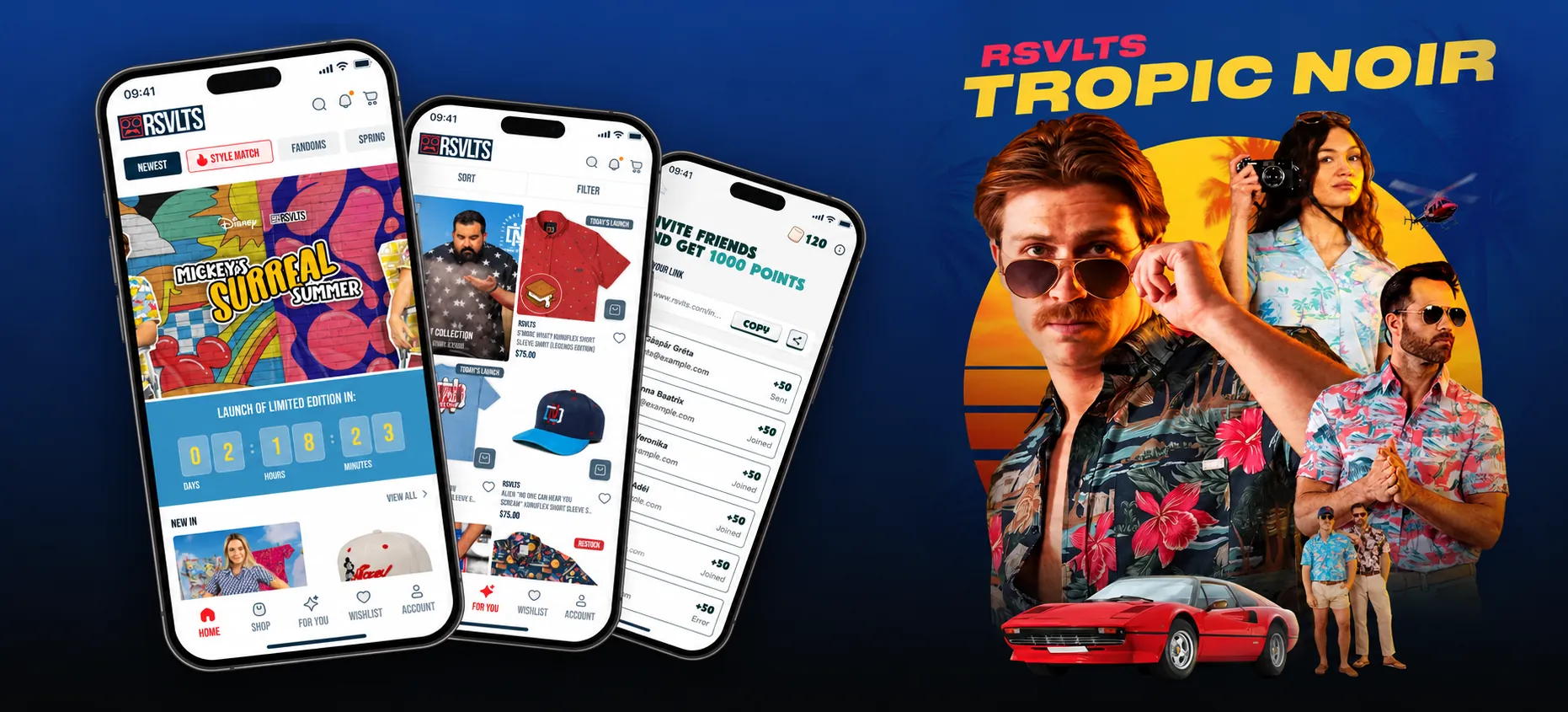
RSVLTS is a US direct-to-consumer apparel brand known for licensed pop-culture collections and limited-edition drops. Each drop brings a sudden surge of shoppers who move fast and expect checkout to work the first time. When a page slows down or stock disappears mid-purchase, the sale is gone.
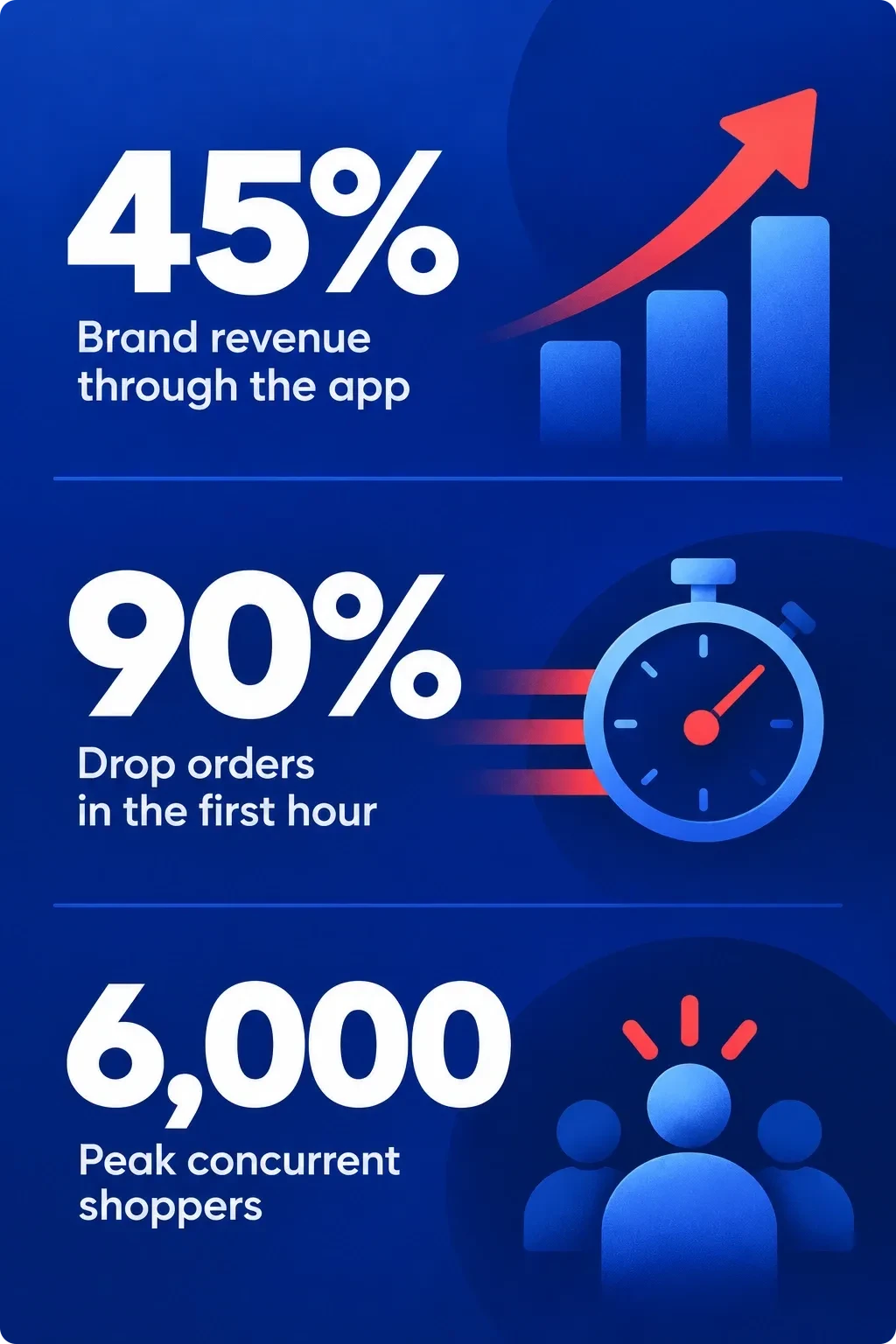
45%
Of brand revenue through the app
6,000
Peak concurrent shoppers
4.9
App Store rating (3,800+ ratings)
RSVLTS wanted a dedicated mobile channel for its most loyal buyers. Mobile web could not keep up with drop-day traffic or make repeat purchases fast enough. The brand needed a native app that felt instant, kept carts intact, and let shoppers pay in a tap.
With 90% of a drop's orders arriving in the first hour, every second of friction cost RSVLTS sales. The mobile website could not absorb that burst reliably, and its web checkout added steps a native wallet payment removes. A wrapped website would only have repeated the same limits inside an app shell.
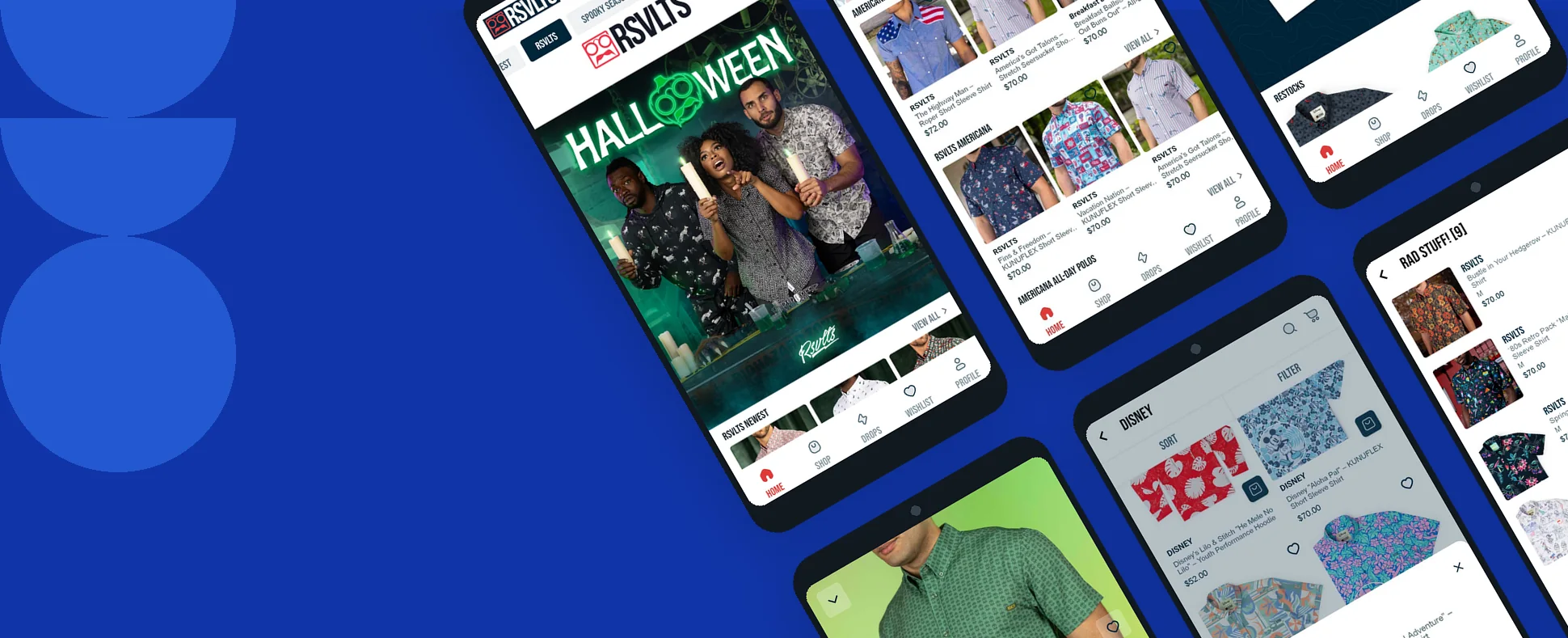





React Native (iOS and Android)
TypeScript and JavaScript
Node.js backend
Shopify Storefront API (GraphQL)
Shopify REST APIs
Shopify Payments with Apple Pay and Google Pay
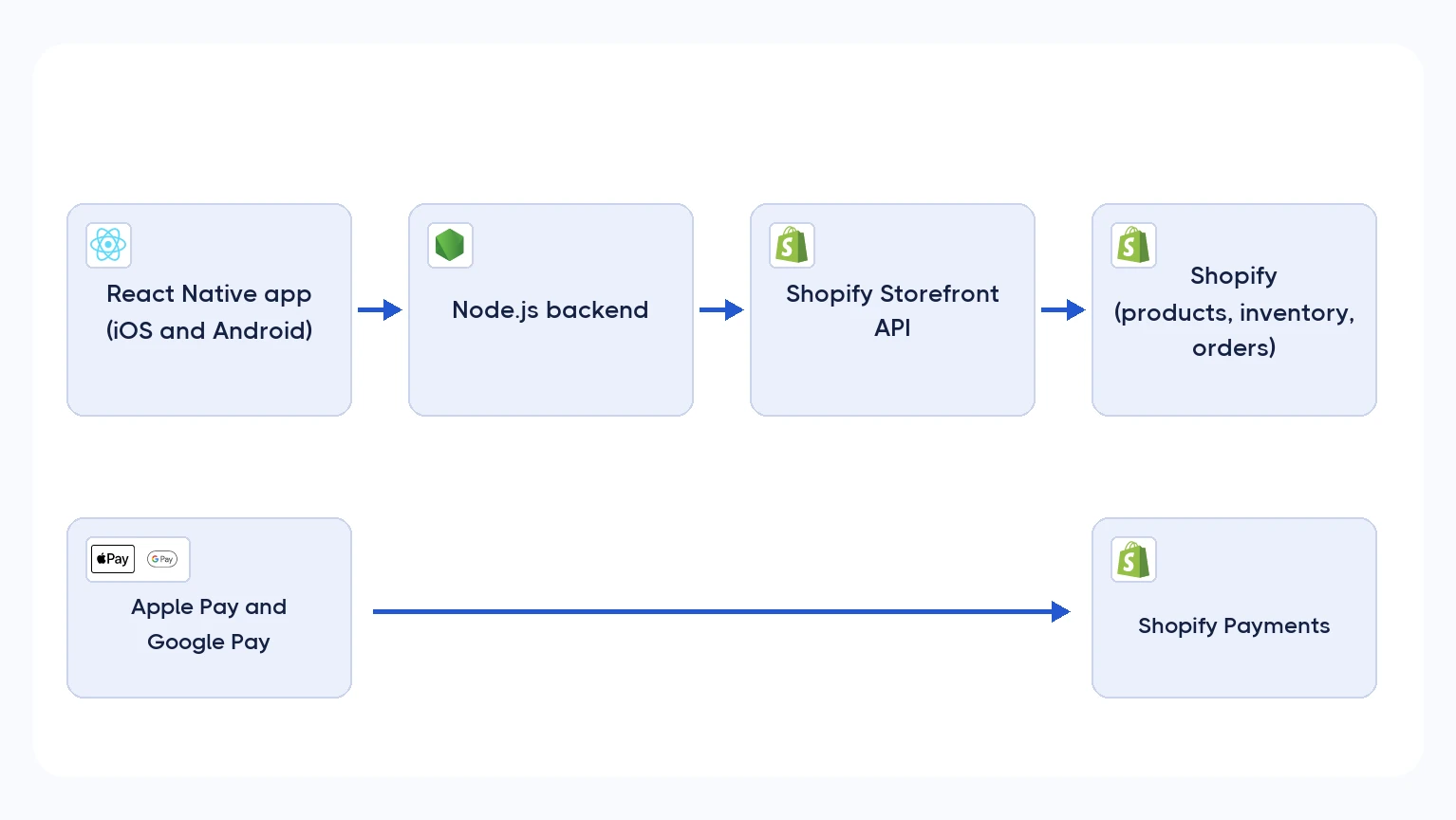
Deltacron moved RSVLTS to a headless Shopify architecture, with a Node.js backend and a native React Native app that talks directly to Shopify, so RSVLTS controls the whole mobile experience while Shopify keeps running products, orders, and payments.
What we built
Server-driven UI: screens are drawn from JSON layouts, so RSVLTS can change the app's front end for a campaign or drop without an app store update.
Dynamic splash screen that changes with each marketing campaign, also without an app update.
Video experience for logged-out shoppers, so first-time visitors see the brand before they sign in.
Swipe-based product discovery: a Tinder-style swipe feed where shoppers like or skip products to find their style.
Real-time and scheduled notifications for drops, restocks, and campaigns.
Fast collection browsing with real-time variant and stock availability.
A persistent cart that survives navigation, app restarts, and checkout, kept in sync with Shopify.
One-tap checkout through a native Apple Pay and Google Pay bridge.
1:1 Shopify API parity, so every product, variant, and cart rule behaves exactly as it does on the store.
Drop-day resilience: rapid cart updates, protection against checkout inconsistencies, and graceful recovery from API delays.
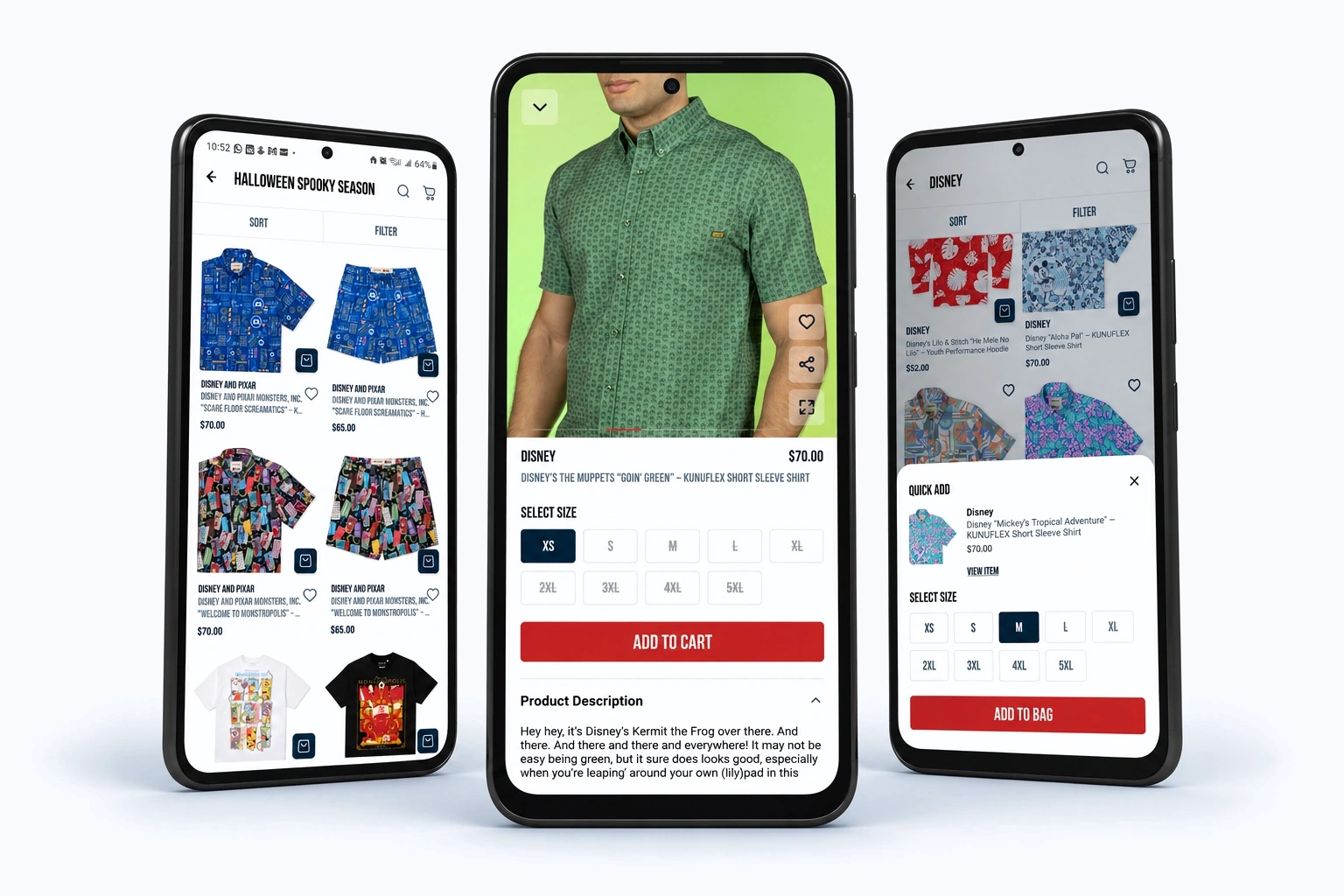
The app went from proof of concept to launch in five quarters.
Proof of concept: proved an independent native app could run smoothly on Shopify's APIs and render a custom front end delivered as JSON.
Server-driven UI: made the JSON-driven front end production ready, so layouts change without an app update.
Logged-out video and dynamic splash screen: added a video experience for shoppers who are not signed in, and a splash screen that follows the current marketing campaign.
Swipe-based product discovery: a Tinder-style swipe feed for finding products.
Real-time and scheduled notifications: instant alerts for drops and restocks, plus notifications scheduled ahead for campaigns.
Launch: delivered the app to the App Store and Google Play.
Headless Shopify separates the storefront people see from the Shopify backend that runs the store. Shopify still handles products, inventory, orders, and payments. The front end, here a native mobile app, is custom built and fetches everything through Shopify's Storefront API.
For RSVLTS this meant full control over browsing, cart behavior, and checkout speed without rebuilding commerce infrastructure Shopify already does well.
A wrapped website inherits the website's speed and checkout limits. A React Native app renders native screens, keeps the cart on the device, and opens the phone's own wallet for payment. The result performs like a fully native app while shipping iOS and Android from one codebase.
Flash-sale traffic. Limited drops send thousands of shoppers to the same products at once, peaking at 6,000 concurrent users. Cart updates had to stay fast and consistent under that load, and the app had to recover cleanly when Shopify's API responded slowly.
Cart consistency. A shopper's cart had to stay correct across screens, sessions, and checkout, even as stock changed in real time. That required careful state management and constant synchronization with Shopify.
Native payments. Apple Pay and Google Pay had to be bridged into React Native and tied to Shopify Payments without adding steps or breaking checkout parity.
Shopify API parity. Every product, variant, and cart rule had to behave 1:1 with the Shopify store, so the app never showed a price, option, or stock level the store would reject.
Native iOS and Android app from a single React Native codebase
Headless Shopify architecture through the Storefront API
Persistent, synchronized cart that never loses a shopper's progress
One-tap Apple Pay and Google Pay checkout
Built and tuned for limited-edition drop traffic
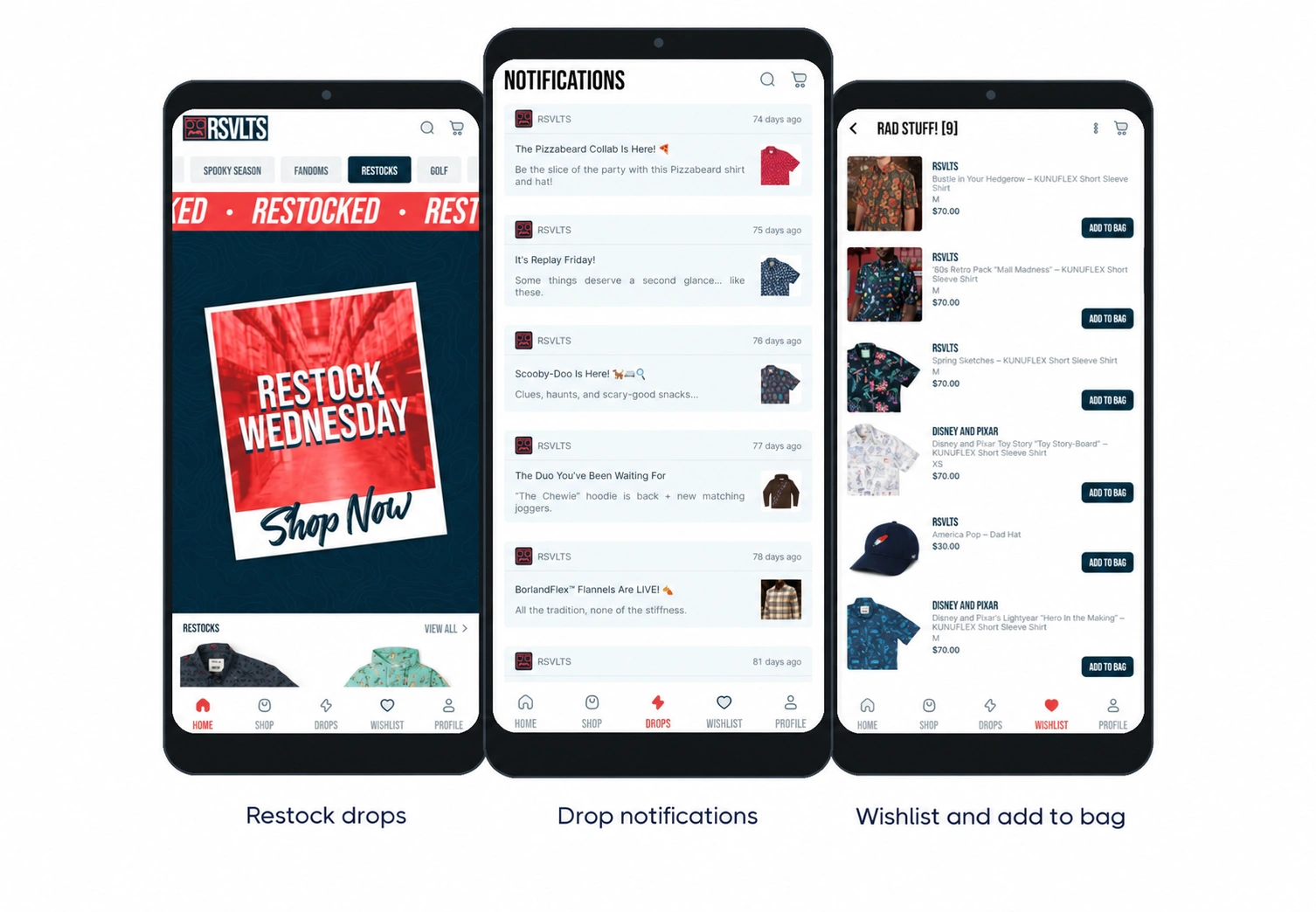
The app became RSVLTS's core mobile sales channel, carrying 45% of brand revenue.
| Before: mobile web | After: native app | |
|---|---|---|
| Drop-day traffic | Could not hold up under launch bursts | Serves 6,000 concurrent shoppers at peak |
| Checkout | Web payment forms | One-tap Apple Pay and Google Pay |
| Repeat buyers | No dedicated channel | Dedicated app rated 4.9 on the App Store (3,800+ ratings) |
| Share of revenue | No separate mobile channel | 45% of brand revenue |
The app also runs at 98.5% crash-free sessions and keeps every cart intact across sessions and checkout.
How long did the RSVLTS app take to build? Five quarters, from proof of concept to a launched app with its outcomes met.
Why did RSVLTS choose React Native? React Native ships iOS and Android from one codebase while rendering native screens. With a native Apple Pay and Google Pay bridge, the RSVLTS app performs like a fully native app.
Why headless Shopify instead of an off-the-shelf app builder? Headless Shopify gave RSVLTS full control over browsing, cart behavior, and checkout speed. Shopify still runs products, inventory, orders, and payments in the background.
How does the app handle limited-edition drop traffic? It keeps carts on the device and in sync with Shopify, recovers gracefully from API delays, and guards against checkout inconsistencies. At peak it serves 6,000 concurrent shoppers.
Does the app support Apple Pay and Google Pay? Yes. Both are integrated natively through Shopify Payments, so shoppers can check out in one tap.
Can RSVLTS change the app without an app store update? Yes. The app uses server-driven UI: screens are built from JSON layouts, and the splash screen follows the current campaign, so the marketing team can update both without shipping a new version.
RSVLTS
Deltacron successfully delivered a proof of concept and full transformation for transitioning our Shopify-based website into a headless architecture with a Node.js backend and React Native mobile app. They seamlessly integrated essential functionalities, providing a robust and scalable solution. They maintained clear communication and effectively collaborated with our team, ensuring the final product met all our requirements and positioned us for future growth.

Iulian C
Marketing Director, RSVLTS
Get in Touch
Ready to help you realize your dream
Contact us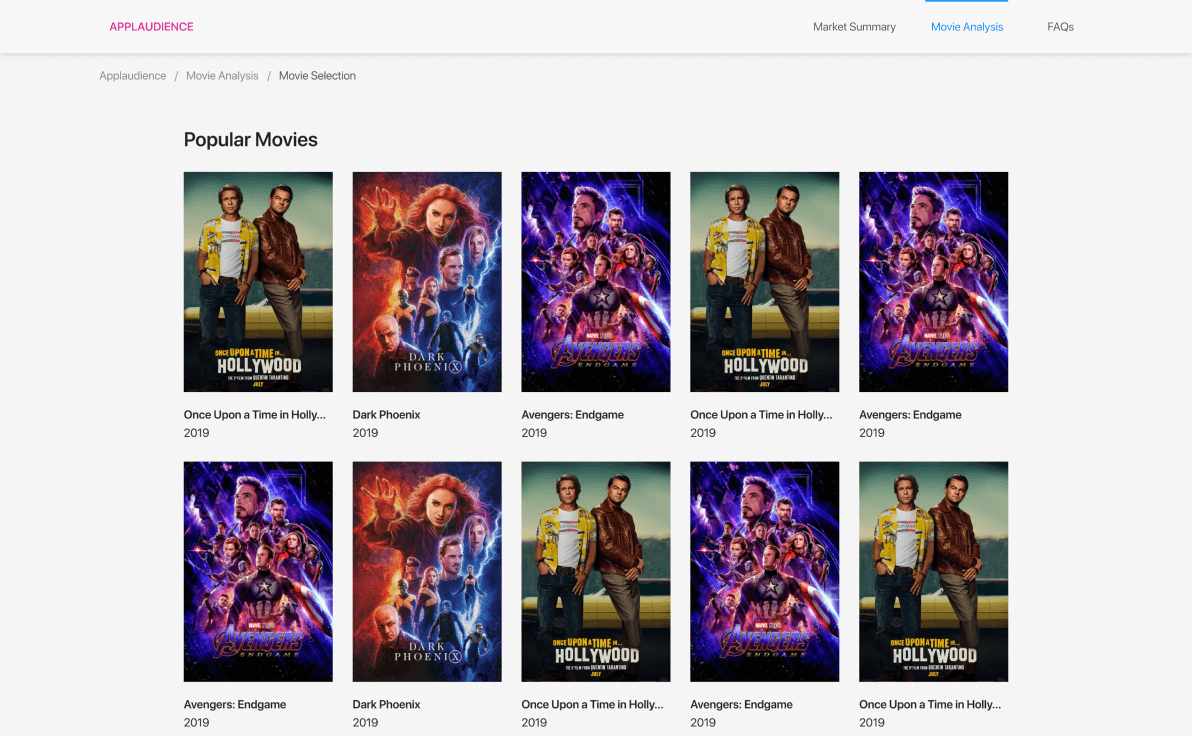
Online data analytics dashboard to track and predict movie sales behavior in real-time across multiple cinema chains.
Applaudience is an online data analytics dashboard to track and predict movie sales behavior in real time across multiple cinema chains.
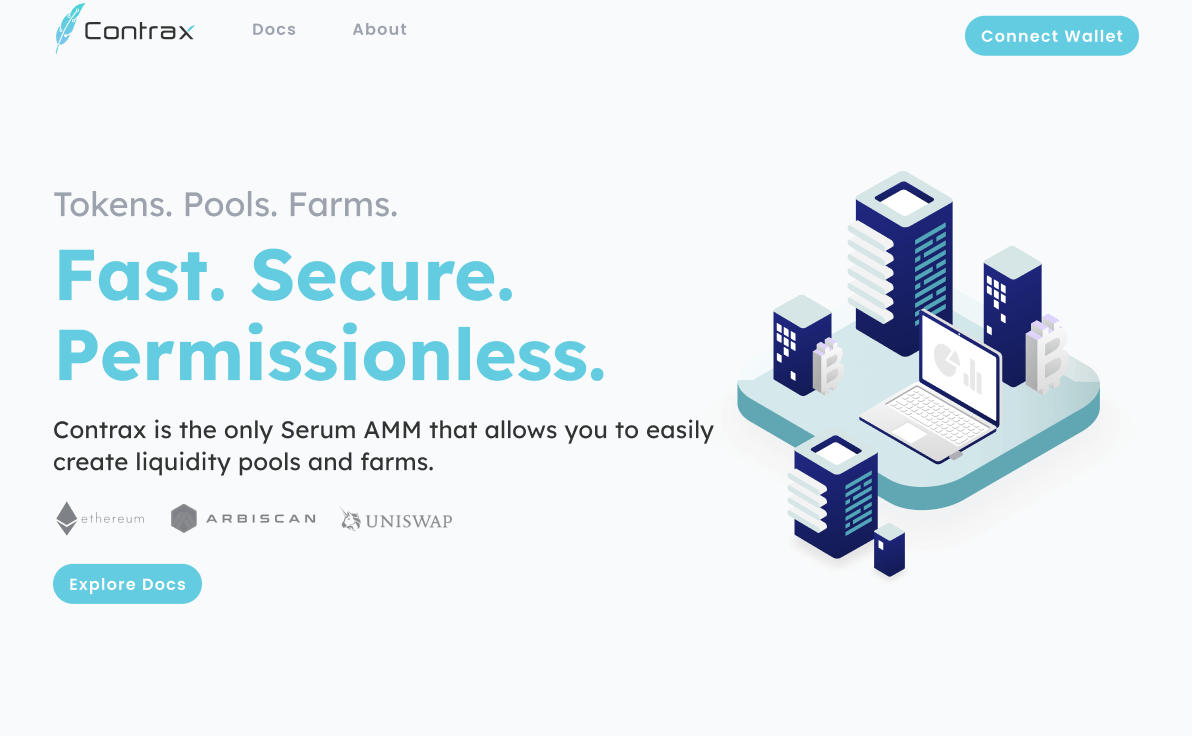
Developing open source, no-code tools and auto-compounding vaults for tangible yield assets on Ethereum and Arbitrum blockchains
A decentralized web application for people to create crypto tokens, liquidity pools, and auto-compounding farms on the Ethereum & Arbitrum blockchains.