What is a data design, and how can it help with data visualization?
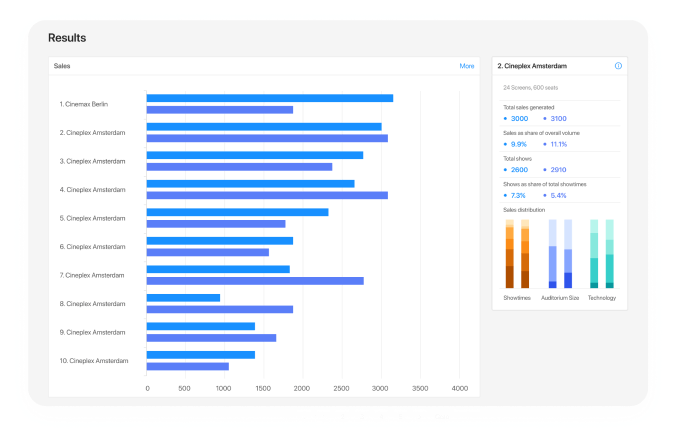
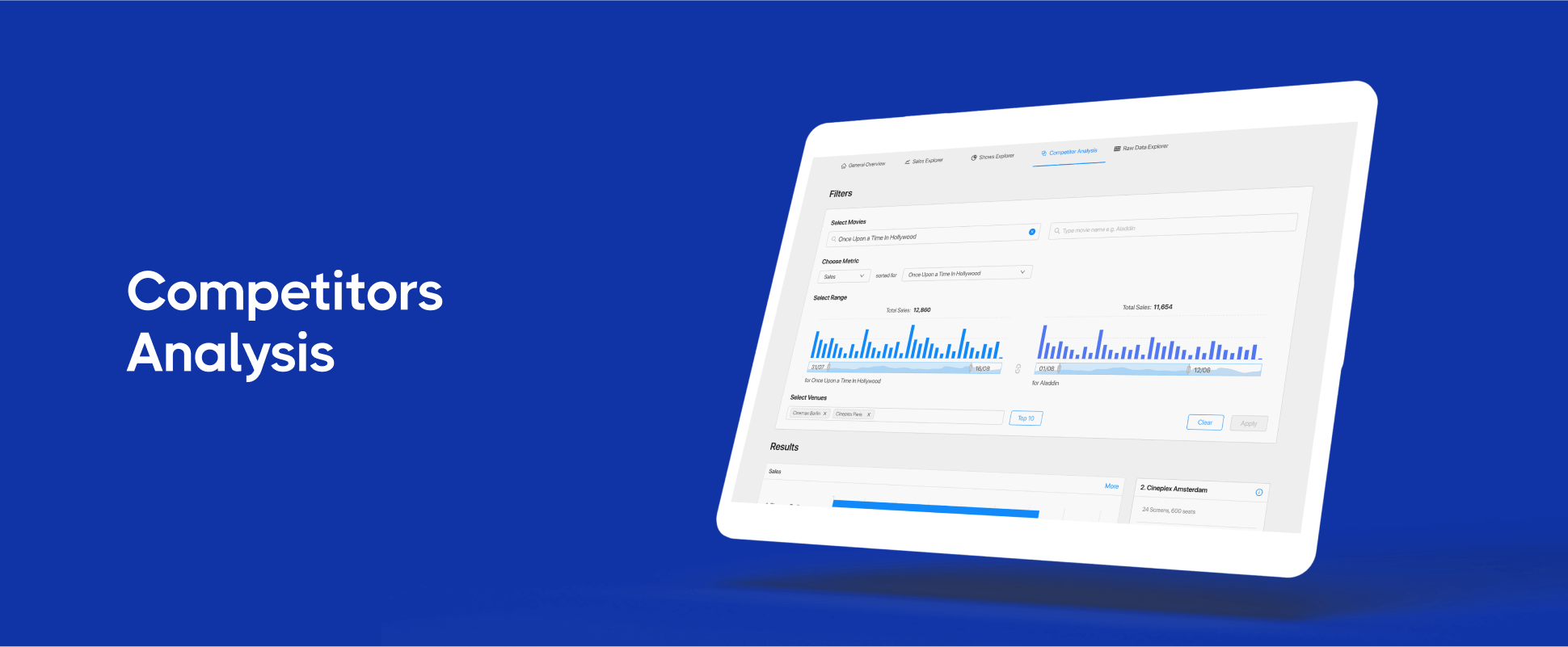
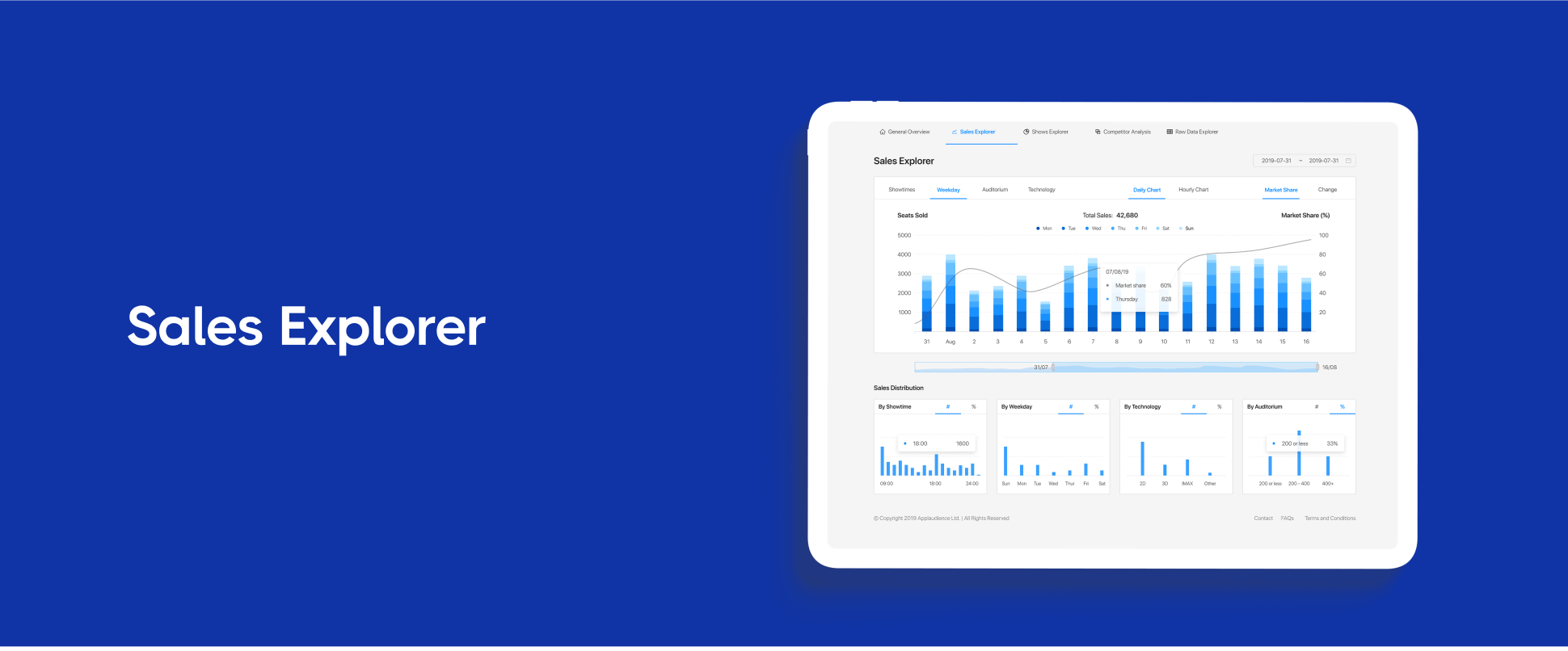
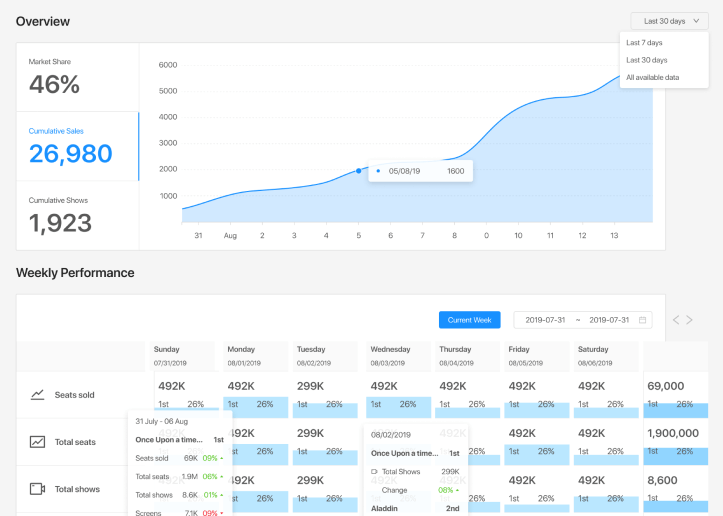
When it comes to presenting any data on any platform, there is a specific process by which any data is presented. How you present this data has a significant impact on how this data will be perceived. Data might seem like a bunch of numbers, but those numbers tell you a story about a particular point in time. For example, in Applaudience, there were multiple aspects in which data was analyzed and divided into different categories such as market growth, week-to-week analysis, shows the distribution, market share, etc.
Data visualization is a form of communication that portrays dense and complex information in graphical form. The resulting visuals are designed to make it easy to compare data and use it to tell a story – both of which can help users in decision-making.
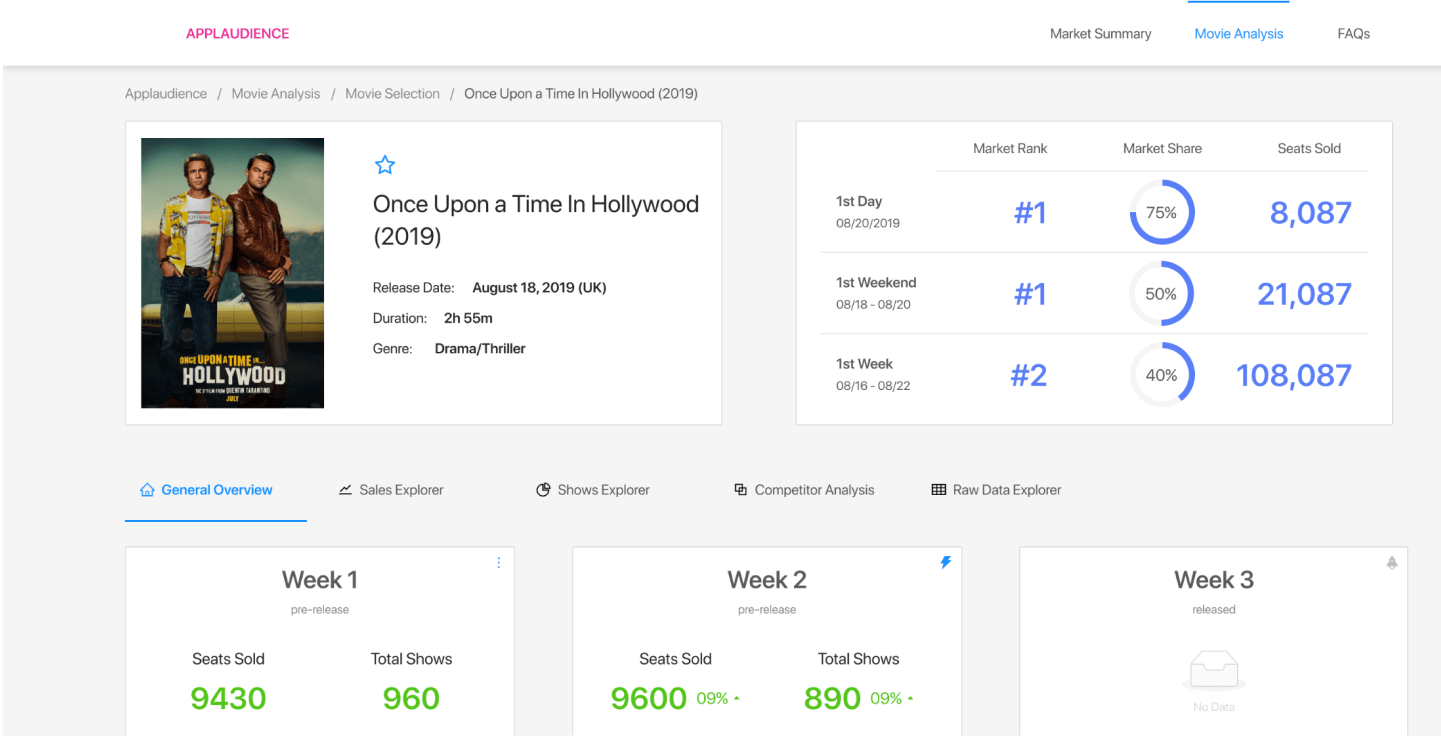
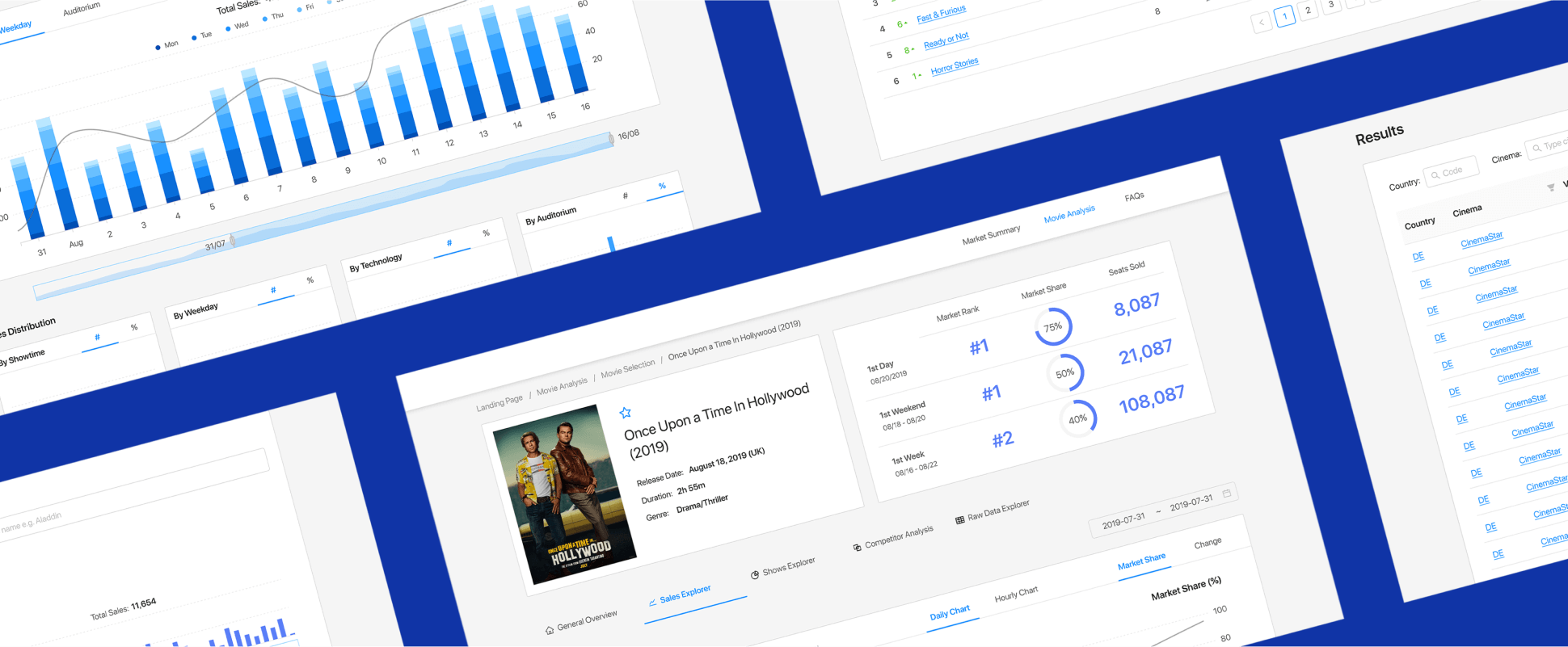
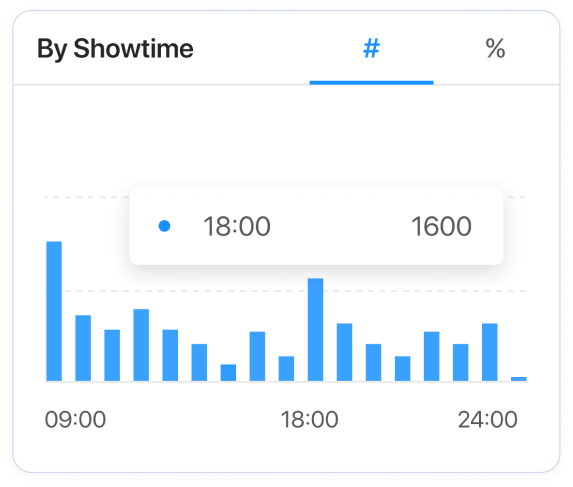
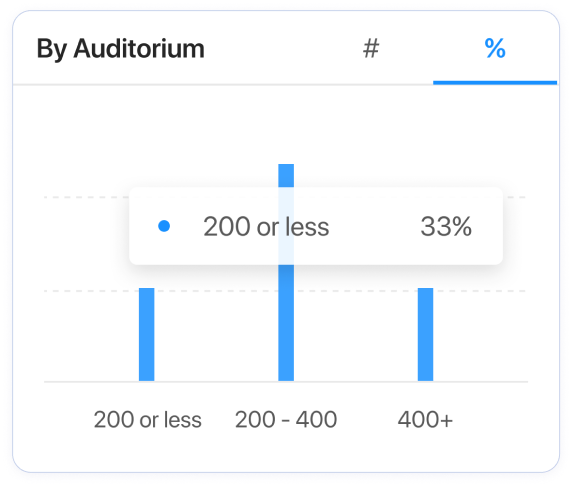
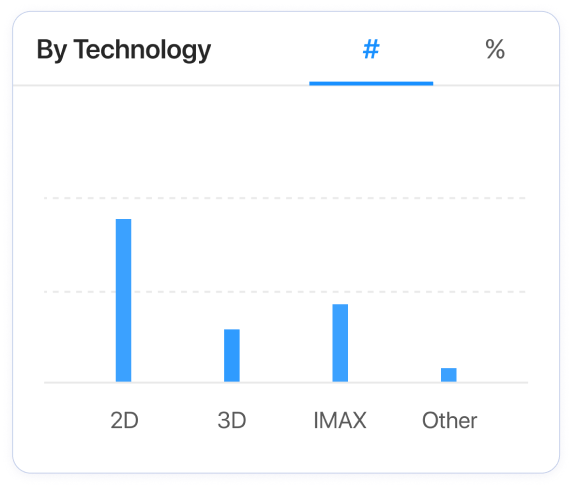
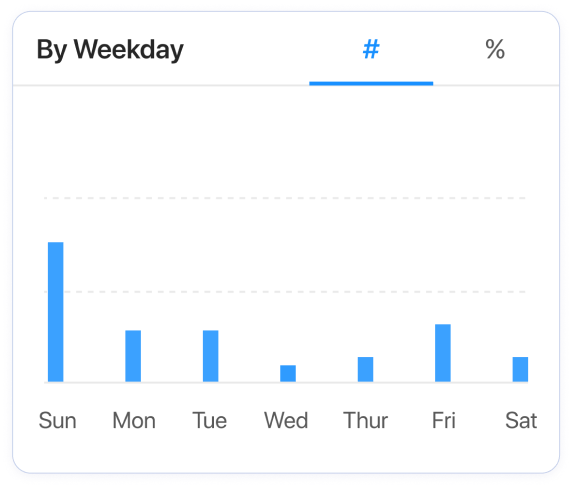
Regarding the design visualization of Applaudience for the first fold, we demonstrated the most important information for the user, such as the Movie’s Market ranking, Market Share, and Seats Sold on the 1st day of screening, 1st Weekend, and 1 Week. To make it easy for the users to pull insight from the data, we used graphs, bar charts, area charts, ordered bars, and ordered column charts.
The complete design process involved repetition of the same word types, user stories and requirements, detailed wireframe designs with multiple iterations, feedback collection, high-fidelity mockups, and rapid prototypes for user testing and pivoting. We ended up designing features that weren’t part of the initial plan because our research and feedback collection pointed in that direction. This allowed us to design and deliver a highly lean, minimalistic, and functional dashboard design.
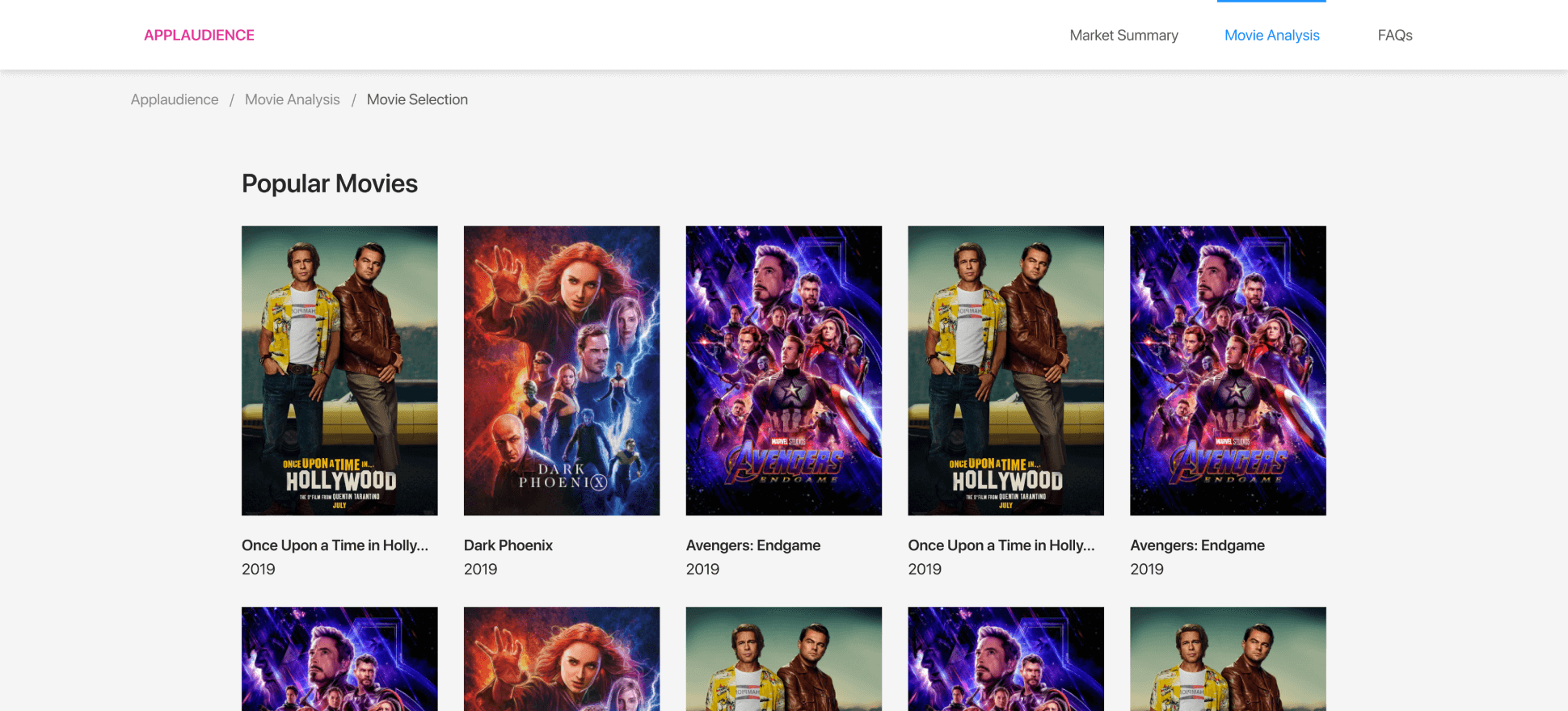
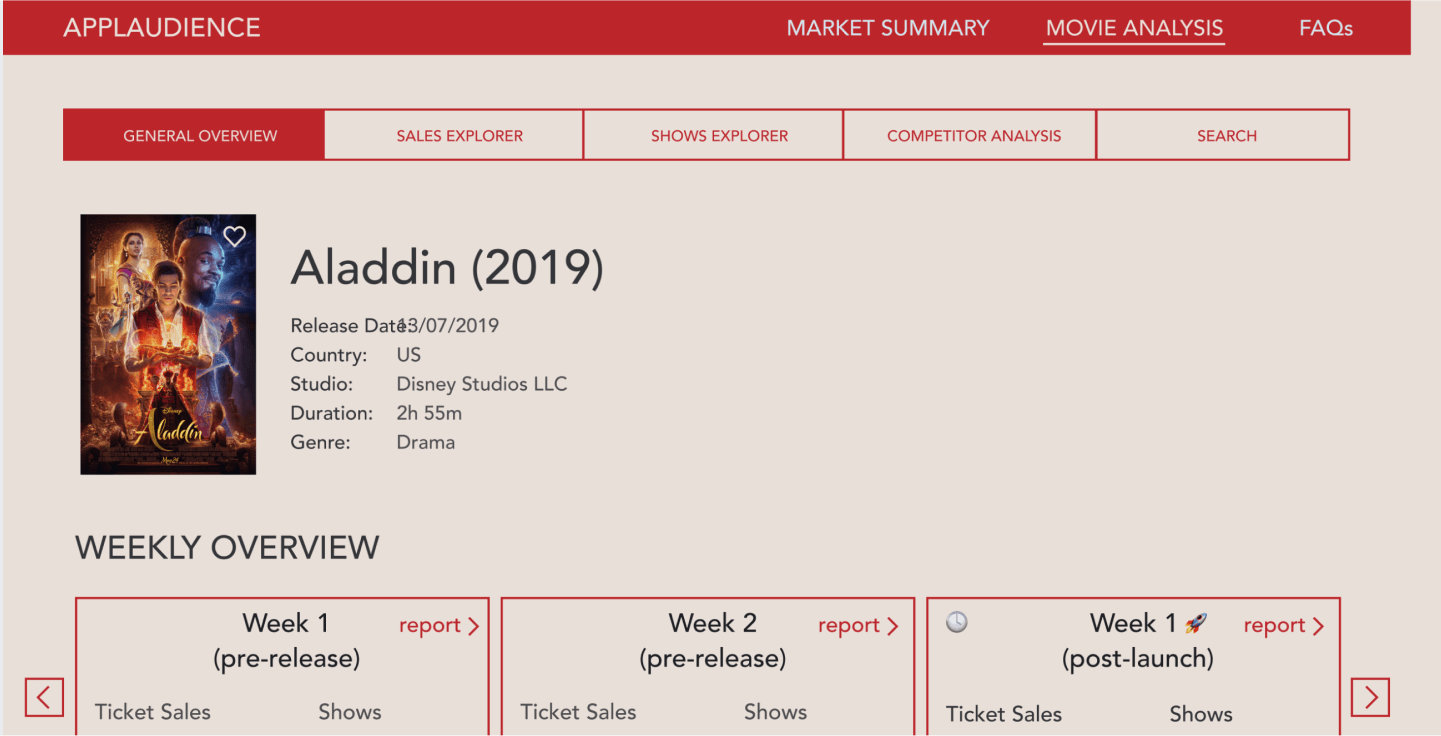
We used multiple mockups to research the type of design visualization other cinema websites used, which gave us insight into data visualization. There was an initial design for Applaudience, but after user testing, we realized that some changes were needed to optimize the data. After multiple iterations and user testing, we finalized the design that showed the best results in user testing.
Obstacles
- A lot of data to optimize, designing the data display.
- What story do we tell through our dashboard.
- The decision of which data is important.
- The initial design was not user-friendly and prioritized the wrong data points.